
Vitro Architectural Glass Continues to Reimagine the Future of Architectural Glass Through World-Class Research and Innovation
PITTSBURGH, October 6, 2026 – For more than six decades, the Vitro Architectural Glass Technology Center has been driving breakthroughs in performance, sustainability and advanced glass manufacturing, helping redefine what's possible with architectural glass through world-class research, pioneering technologies and an unwavering commitment to innovation.
Located just north of Pittsburgh, Vitro’s Glass Technology Center is the largest glass research and development facility in North America and is home to a team of more than 60 technicians, engineers and scientists focused on advancing architectural glass performance and capabilities.
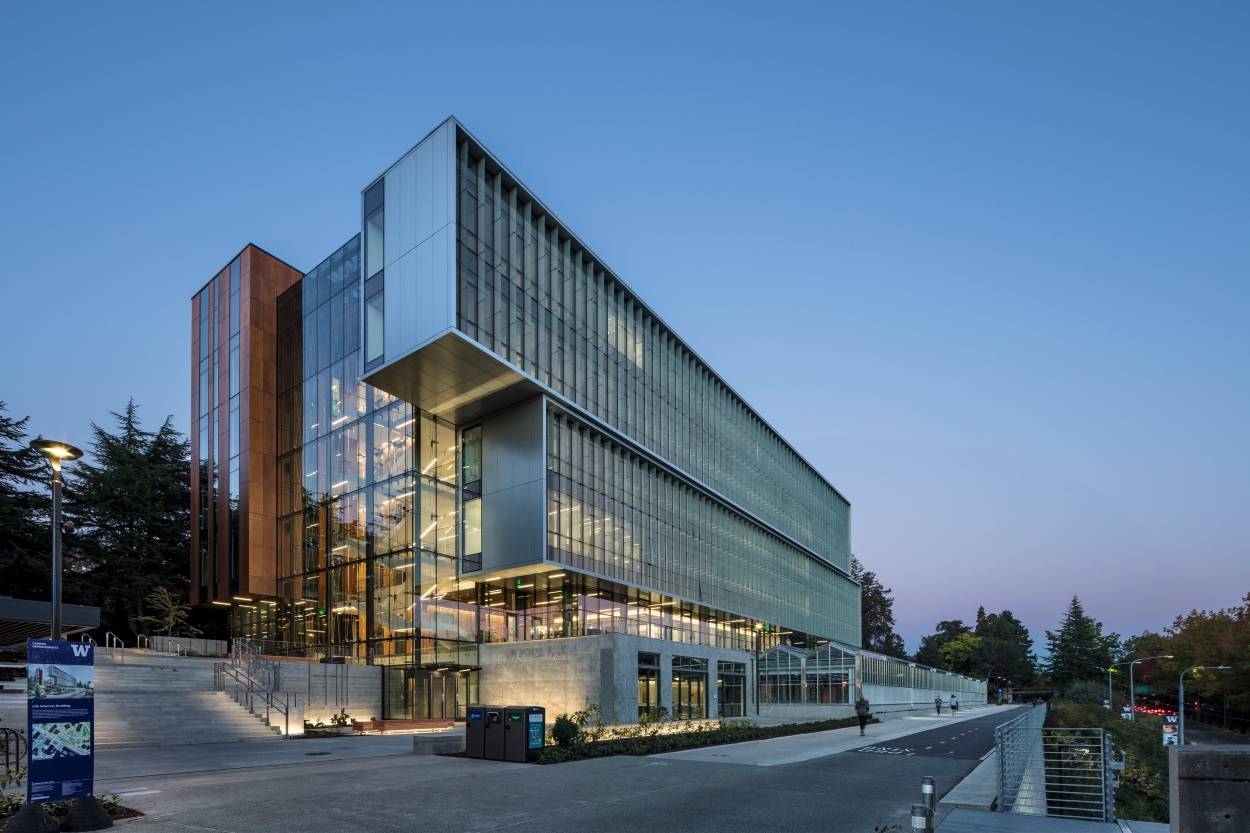
The University of Washington's Life Sciences Building features Solarban® 72 Starphire® glass, showcasing a high-performance, low-e and low-iron glazing solution developed at Vitro’s Glass Technology Center. (Photography: Francis Zera)
"Every day, our teams are exploring new ways to improve building performance, reduce environmental impact and expand the possibilities of architectural glass,” said Adam Polcyn, Vice President of Research and Development, Vitro Architectural Glass. That commitment has enabled us to help shape the industry for decades, and it continues to drive us forward today."
Vitro's architectural glass business traces its roots to Pittsburgh Plate Glass (PPG), founded in Pittsburgh in 1883. When Vitro acquired PPG's flat glass business in 2016, the company committed to preserving the people, products, facilities and expertise that helped establish PPG as an industry leader. Since then, Vitro has made significant investments in its U.S. manufacturing operations and Glass Technology Center, reinforcing its commitment to innovation and the future of North American glass manufacturing. Those investments have helped strengthen Vitro's innovation capabilities and accelerate the development of next-generation glass technology.
Since opening in 1958, the Glass Technology Center has helped generate more than 1,100 patents, with approximately half of those focused on Magnetron Sputter Vacuum Deposition (MSVD) technology, the advanced coating process used to manufacture high-performance Solarban® solar control, low-e glass. Today, Vitro researchers continue that tradition of innovation, developing an average of 30 patentable inventions annually.
Many of the technologies developed at the facility have transformed the architectural glass industry. Among them are industry-leading Solarban® low-e coatings that help improve energy efficiency, reduce solar heat gain and support more sustainable building design. The precision involved in creating these coatings is extraordinary. For example, the 17-layer Solarban® 70 low-e glass coating is approximately 140 times thinner than a human hair.
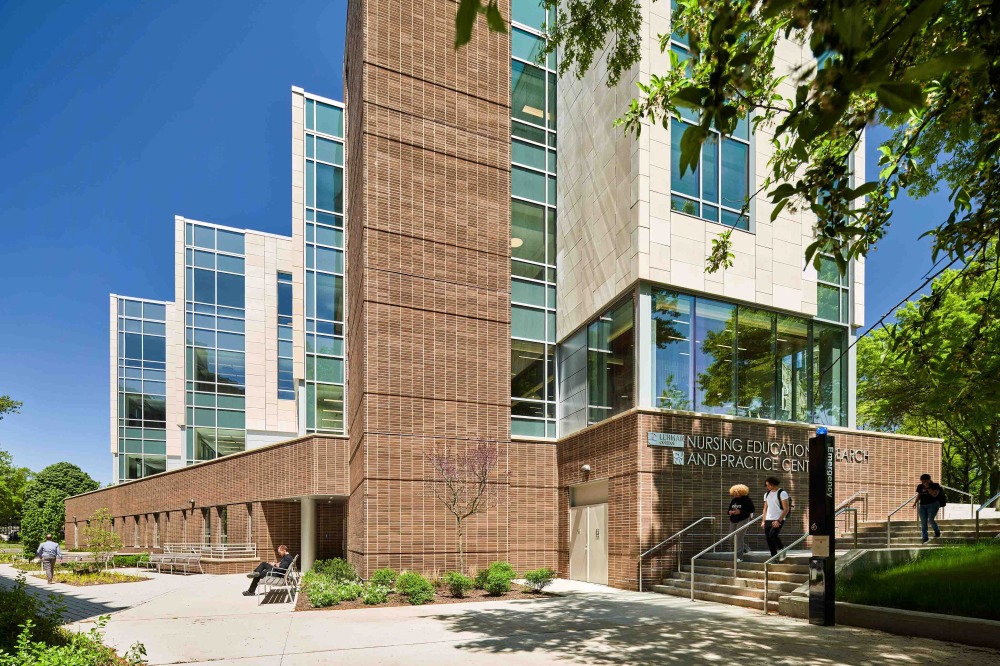
Lehman College’s Nursing Education, Research & Practice Center incorporates Solarban® 70 glass throughout its exterior façade and interior learning environments. Solarban® 70 glass was developed at Vitro’s Glass Technology Center in 2005, and today, is the most specified triple-silver low-e glass in the industry. (Photography: Ed Caruso)
Supporting these advancements are state-of-the-art analytical laboratories capable of detecting coating layers only a few atoms thick and identifying trace elements at concentrations of less than one part per million. These capabilities allow Vitro scientists to maintain the exacting standards of quality and consistency required for today's most advanced glazing systems.
Innovation at Vitro also extends beyond product development. The company has long been a pioneer in sustainable manufacturing practices and was among the first flat glass manufacturers to commercialize oxy-fuel melting technology in the 1990s. Today, Vitro operates four advanced oxy-fuel furnaces that can reduce energy consumption by as much as 20% and lower greenhouse gas emissions by up to 50% compared to conventional glass melting processes.
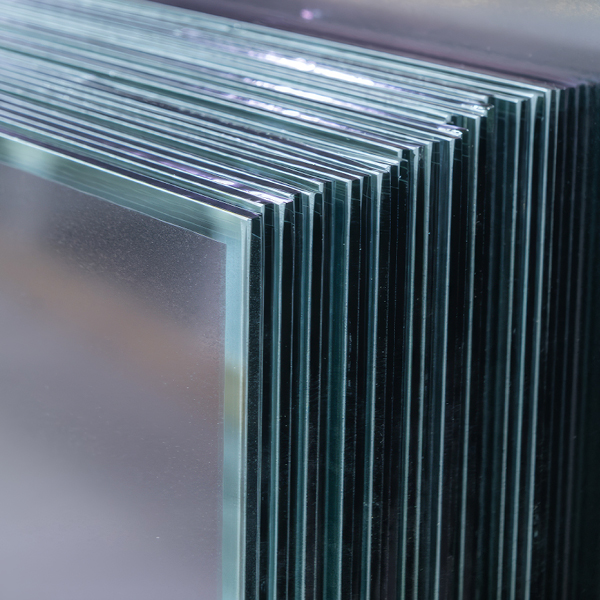
One of Vitro’s latest innovations developed at its Glass Technology Center, EcoArmor™ Protective Topcoat, is a film-free glass protection technology that protects all the way to the furnace. (Photography: Courtesy of Vitro Architectural Glass)
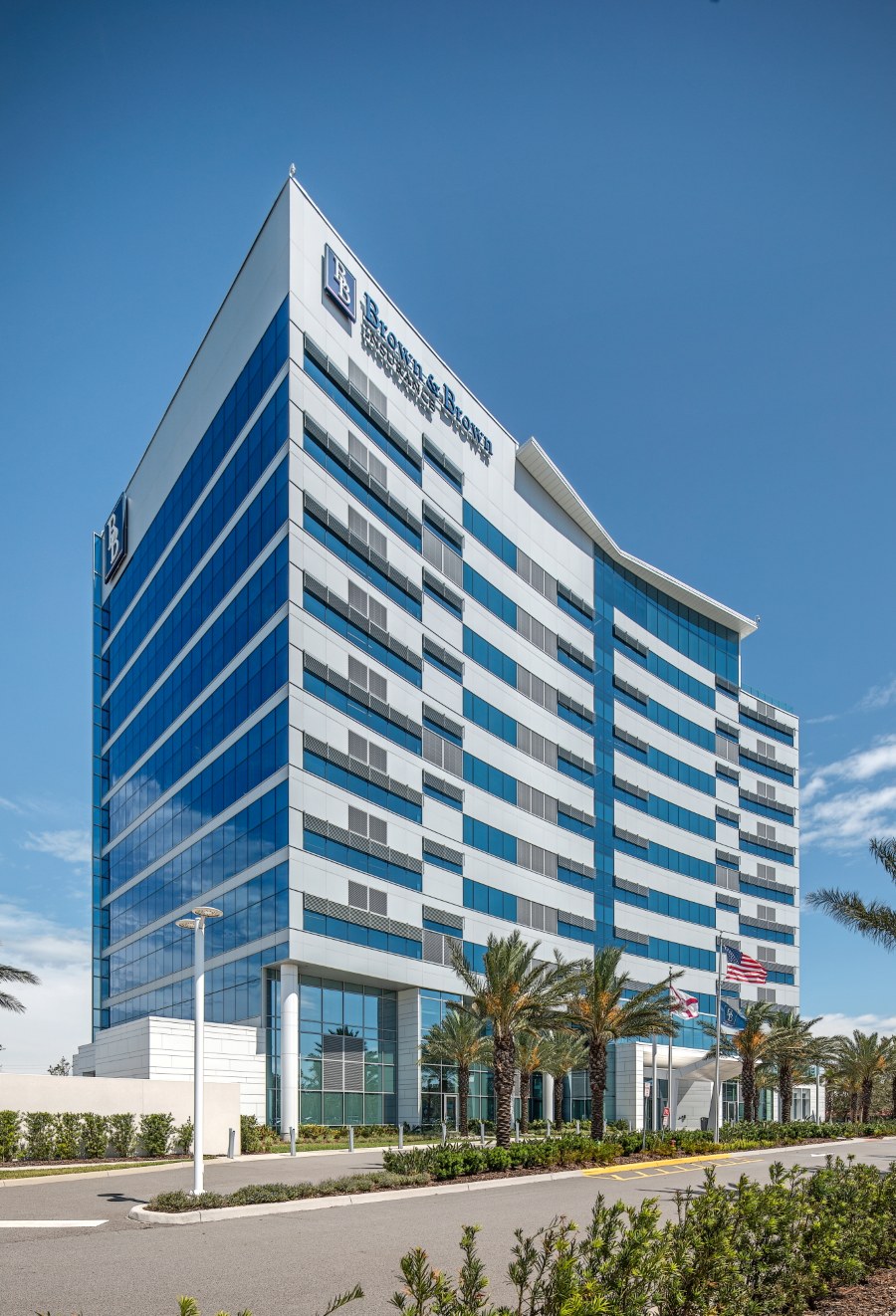
Brown & Brown Headquarters showcases Solarban® R100 Solarblue® glass, a Vitro Glass Technology Center creation, a glazing combination with a light sky-blue hue and outstanding thermal performance. (Photography: Tom Kessler)
This combination of innovation and sustainability has helped establish Vitro as a leader in high-performance, low-embodied carbon architectural glass products used on projects globally.
“As building performance standards continue to evolve and sustainability expectations increase, our Research & Development team at our Glass Technology Center remains focused on developing the next generation of glazing solutions, helping create buildings that are more efficient, resilient and beautiful than ever before,” said Polcyn.
Solarban®, Solarblue® and Starphire® are registered trademarks owned by Vitro.
EcoArmor™ is a trademark owned by Vitro.
Cradle to Cradle Certified® is a registered trademark of the Cradle to Cradle Products Innovation Institute.
About Vitro Architectural Glass
Vitro Architectural Glass is the largest glass producer in the Western Hemisphere, manufacturing a range of industry-leading products serving the construction, solar, transportation, defense and security markets worldwide. Committed to continually raising the industry standard for sustainability, Vitro was the first U.S. glass manufacturer to have its complete collection of architectural glass products earn Cradle to Cradle Certified® status and the first North American manufacturer to publish third-party verified Environmental Product Declarations (EPDs) for flat glass and processed glass products. Additionally, as of April 2024, all Vitro architectural glass products meet the Top 20% Low Embodied Carbon (LEC) material Global Warming Potential (GWP) threshold the U.S. General Services Administration (GSA) established pursuant to the Inflation Reduction Act of 2022 and related guidance from the U.S. Environmental Protection Agency. Vitro operates seven glass production facilities across North America, four residential glass fabrication plants in Canada and one of the world’s largest glass research and development facilities in Pittsburgh, Pennsylvania. For more information, please visit VitroGlazings.com.

Media Contact:
Robert J. Struble
Vitro Architectural Glass
412-820-8138
rstruble@vitro.com
vitroglazings.com
